1. Understanding the Importance of Insect Protection
Insect protection is an essential part of maintaining a clean, comfortable, and healthy environment at home, in workplaces, and in outdoor spaces. Insects are a natural part of the ecosystem, and many species provide valuable benefits, such as pollinating plants, supporting food chains, and helping decompose organic materials. However, certain insects can also create problems when they enter living spaces, damage property, contaminate food, or transmit diseases. Mosquitoes, flies, cockroaches, ants, ticks, and other pests can become difficult to manage when preventive measures are neglected. Understanding the importance of insect protection helps individuals choose practical methods to reduce unwanted insect activity while maintaining a balanced environment. Effective protection does not necessarily mean eliminating every insect from the surrounding area. Instead, it involves identifying harmful species, limiting their access to indoor spaces, and reducing the conditions that allow them to reproduce. A thoughtful approach combines cleanliness, physical barriers, environmental management, and appropriate pest control techniques. These measures can make homes more comfortable and help protect family members, employees, pets, and visitors from common insect-related problems. Insect protection is particularly important in areas with warm temperatures, high humidity, standing water, or abundant vegetation, because these conditions can encourage insect activity throughout much of the year. Seasonal changes can also influence the types of insects people encounter and the preventive measures they need. For example, mosquitoes may become more noticeable during rainy periods, while ants and cockroaches may enter buildings in search of food and shelter during changing weather conditions. Recognizing these patterns allows people to prepare before an infestation develops. Regular inspections and early intervention are often more effective than waiting until insects become a serious nuisance. By understanding how insects behave and what attracts them, property owners can develop a reliable protection plan that addresses the causes of pest problems rather than simply treating their visible symptoms.
2. Effective Ways to Prevent Insects from Entering Indoor Spaces
Preventing insects from entering buildings is one of the most practical steps toward creating a healthier indoor environment. Doors, windows, ventilation openings, cracks, and gaps around pipes can provide convenient entry points for different insect species. Installing well-fitted window screens, repairing damaged mesh, and using door sweeps can significantly reduce the number of insects entering a property. Screens should be inspected regularly because even small holes can allow mosquitoes and flies to pass through. Exterior doors should remain closed whenever possible, particularly during the evening when many flying insects are attracted to indoor lighting. Sealing cracks around window frames, foundations, utility openings, and other structural gaps can also help prevent crawling insects from finding their way inside. Weather stripping and suitable sealants offer simple solutions for many common entry points. Indoor cleanliness is equally important because insects frequently enter buildings in search of food, water, and suitable hiding places. Food should be stored in tightly sealed containers, kitchen surfaces should be cleaned after meals, and crumbs should be removed from floors and cupboards. Waste bins should have secure lids and be emptied regularly, especially when they contain food scraps. Leaking taps, damp cupboards, and moisture around sinks can attract insects that depend on water to survive. Repairing plumbing problems and improving ventilation can reduce these attractive conditions. Bathrooms, kitchens, laundry rooms, and storage areas deserve particular attention because they may provide moisture and shelter. Outdoor maintenance can strengthen indoor protection as well. Grass should be maintained, unnecessary clutter removed, and vegetation trimmed away from building entrances where practical. Firewood, discarded containers, and unused equipment should not be allowed to accumulate directly against exterior walls. People should also inspect grocery bags, cardboard boxes, luggage, and second-hand furniture when bringing them indoors, since some insects can travel unnoticed in these items. A consistent combination of structural maintenance, household hygiene, and careful inspection creates several layers of protection. Rather than relying on a single product, these habits address the main reasons insects enter and remain inside buildings, making them useful for homes, offices, restaurants, and other frequently occupied spaces.
3. Natural and Chemical Methods for Reliable Insect Protection
Different Insektenschutz methods are available, and selecting the most suitable option depends on the insect species, the severity of the problem, the location, and the needs of the people using the space. Natural and physical approaches can be useful for prevention, while targeted chemical treatments may be necessary when an infestation becomes difficult to control. Physical methods include insect screens, mosquito nets, traps, and barriers that prevent pests from reaching people or entering buildings. Mosquito nets are particularly valuable in sleeping areas where mosquito exposure is a concern, provided the nets are intact and properly positioned. Some householders also use fans in outdoor seating areas because moving air can make it harder for certain flying insects to land. Natural products, including some plant-derived repellents, may help deter particular insects when used according to their instructions. However, natural does not automatically mean harmless or equally effective. Essential oils and homemade mixtures can irritate skin, damage surfaces, or pose risks to children and pets when used incorrectly. Their effectiveness can also vary according to concentration, insect species, weather conditions, and application methods. Chemical insect repellents and pesticides can provide additional protection when selected and applied appropriately. Personal repellents containing approved active ingredients, such as DEET, picaridin, or other locally authorized ingredients, can help reduce bites from mosquitoes and certain other biting insects. Users should follow the product label, apply repellents only to approved areas, and observe age-related precautions. Pesticides intended for buildings or outdoor areas should be used only for the pests and locations specified on their labels. Applying excessive quantities or mixing different products can create unnecessary health and environmental risks. Food, drinking water, cooking equipment, and children’s toys should be protected from unintended pesticide exposure. People should also avoid spraying products directly onto pets unless the product is specifically approved for that animal and purpose. When an infestation persists, professional pest control services may provide identification, targeted treatment, and advice about preventing recurrence. A particularly useful approach is integrated pest management, which combines monitoring, sanitation, exclusion, habitat modification, and carefully selected treatments. This method emphasizes solving the underlying problem while limiting unnecessary pesticide use. By considering the benefits and limitations of different methods, individuals can create an insect protection strategy that is effective, practical, and appropriate for their surroundings.
4. Protecting People from Insect Bites and Insect-Borne Diseases
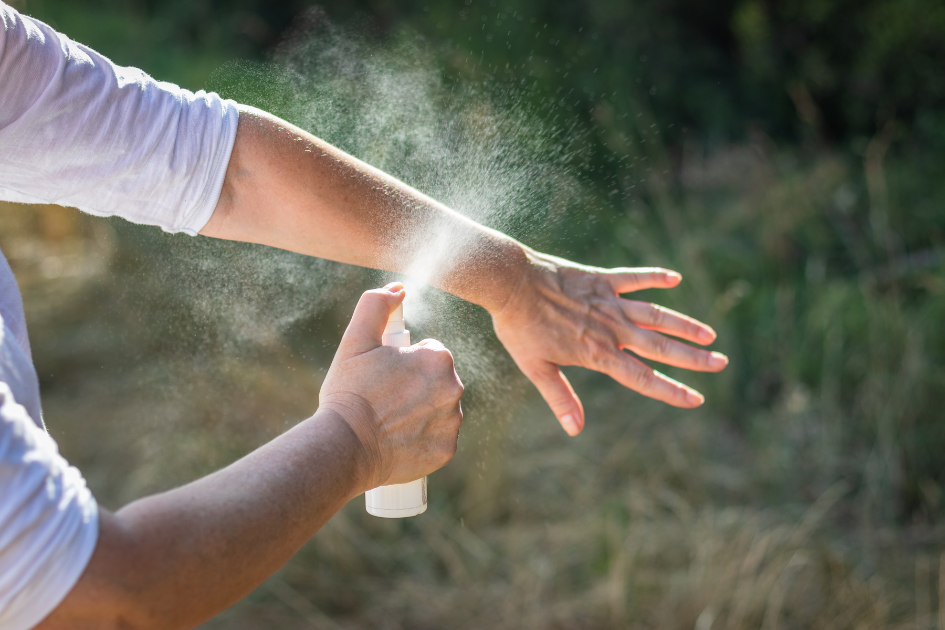
Insect protection is especially important when outdoor activities, travel, gardening, or local environmental conditions increase exposure to biting insects. Mosquitoes can transmit diseases such as dengue, malaria, and other infections in regions where the relevant pathogens and mosquito species are present. Ticks can transmit illnesses in certain geographical areas, while bites and stings from other insects may cause pain, itching, swelling, or allergic reactions. The specific risks vary considerably by location, season, and insect species, so prevention should reflect local conditions rather than relying on a single universal approach. Wearing long-sleeved shirts, long trousers, socks, and suitable footwear can reduce exposed skin during activities in areas with mosquitoes or ticks. Light-coloured clothing may make ticks easier to notice, although it does not provide complete protection. Approved insect repellents can offer another layer of defence when used according to their labels. People spending time in wooded areas, tall grass, gardens, or other tick habitats should inspect their clothing and bodies after returning indoors. Showering soon after outdoor activities and checking pets for ticks can also help reduce the chance of an unnoticed tick remaining attached. In mosquito-prone areas, removing standing water is one of the most useful preventive actions. Buckets, plant saucers, discarded tyres, blocked drains, uncovered water containers, and other objects can collect water where mosquitoes may breed. Containers used for water storage should be covered securely, and suitable drainage should be maintained around buildings. Where water cannot be removed, local public health guidance can help determine whether approved larval control measures are appropriate. Travellers should learn about insect-borne diseases in their destination and follow current health advice, including any recommended vaccinations or preventive medication where applicable. Families should take extra care when selecting insect protection products for young children and should follow age-specific instructions. People with a history of severe allergic reactions to insect stings should follow their clinician’s emergency plan and seek urgent medical assistance if symptoms of a serious allergic reaction occur. Difficulty breathing, swelling of the tongue or throat, or sudden collapse after a sting requires emergency attention. Persistent fever, unusual weakness, or other concerning symptoms following insect exposure may also require medical evaluation, particularly after travel to an area where insect-borne diseases occur. Combining personal protection with environmental prevention helps reduce exposure and supports wider public health efforts. These measures are valuable because preventing bites and reducing insect breeding sites can be easier and safer than dealing with the consequences of an infection or severe reaction.
5. Building Long-Term Insect Protection Habits for Homes and Communities
Long-term insect protection depends on consistent habits rather than occasional action after pests have already appeared. Homeowners, tenants, business operators, and community members can all contribute to reducing insect activity by keeping their surroundings clean, inspecting buildings, removing breeding sites, and addressing problems promptly. A regular inspection schedule can help identify damaged screens, leaking pipes, uncovered waste, standing water, and gaps in walls before these issues contribute to a larger infestation. Kitchens and food storage areas should receive frequent attention, while basements, garages, roof spaces, and storage rooms should be checked for moisture, clutter, and signs of pest activity. Businesses that handle food may need more detailed cleaning procedures, documented inspections, and professional pest management to maintain appropriate hygiene standards. Schools, healthcare facilities, and childcare centres also benefit from carefully planned insect prevention because many people share the same indoor and outdoor spaces. Community cooperation can make a particularly important difference in controlling mosquitoes and other insects that breed or move across property boundaries. If one household removes standing water but nearby containers remain uncovered, mosquitoes may continue to reproduce in the surrounding area. Neighbours can work together to clear blocked drains where permitted, dispose of unwanted containers, maintain public spaces, and report significant pest problems to the relevant local authorities. Public awareness campaigns can help people understand which insects are harmful, which provide ecological benefits, and how to prevent pests without causing unnecessary damage to the environment. Protecting beneficial insects, especially pollinators, should be part of a responsible approach. Broad pesticide applications can harm bees, butterflies, and other non-target species, so treatments should be targeted and timed carefully. When pesticides are needed, choosing an appropriate product and following all safety instructions can reduce unintended effects. It is also useful to keep records of recurring insect problems, the methods used to manage them, and whether those methods were successful. This information can help identify seasonal patterns and prevent repeated mistakes. For persistent or extensive infestations, qualified pest management professionals can recommend measures suited to the building and the insect species involved. Ultimately, effective insect protection is a combination of prevention, awareness, responsible product use, and cooperation. By maintaining clean surroundings, reducing insect access to food and water, protecting exposed skin, and responding quickly to warning signs, individuals and communities can create safer and more comfortable environments. These simple but consistent practices provide a practical foundation for managing unwanted insects while respecting the important role that many insect species play in nature.
About the Author